5 minBusiness
Fortune 500 HR Chiefs Say AI Has Killed the Org Chart and Workers Must 'Unlearn'
Chief people officers from HPE, Palo Alto Networks and Lennar told Fortune's AIQ Summit that AI adoption is forcing companies to abandon traditional hierarchies, rethink hiring and demand that employees take responsibility for upskilling.
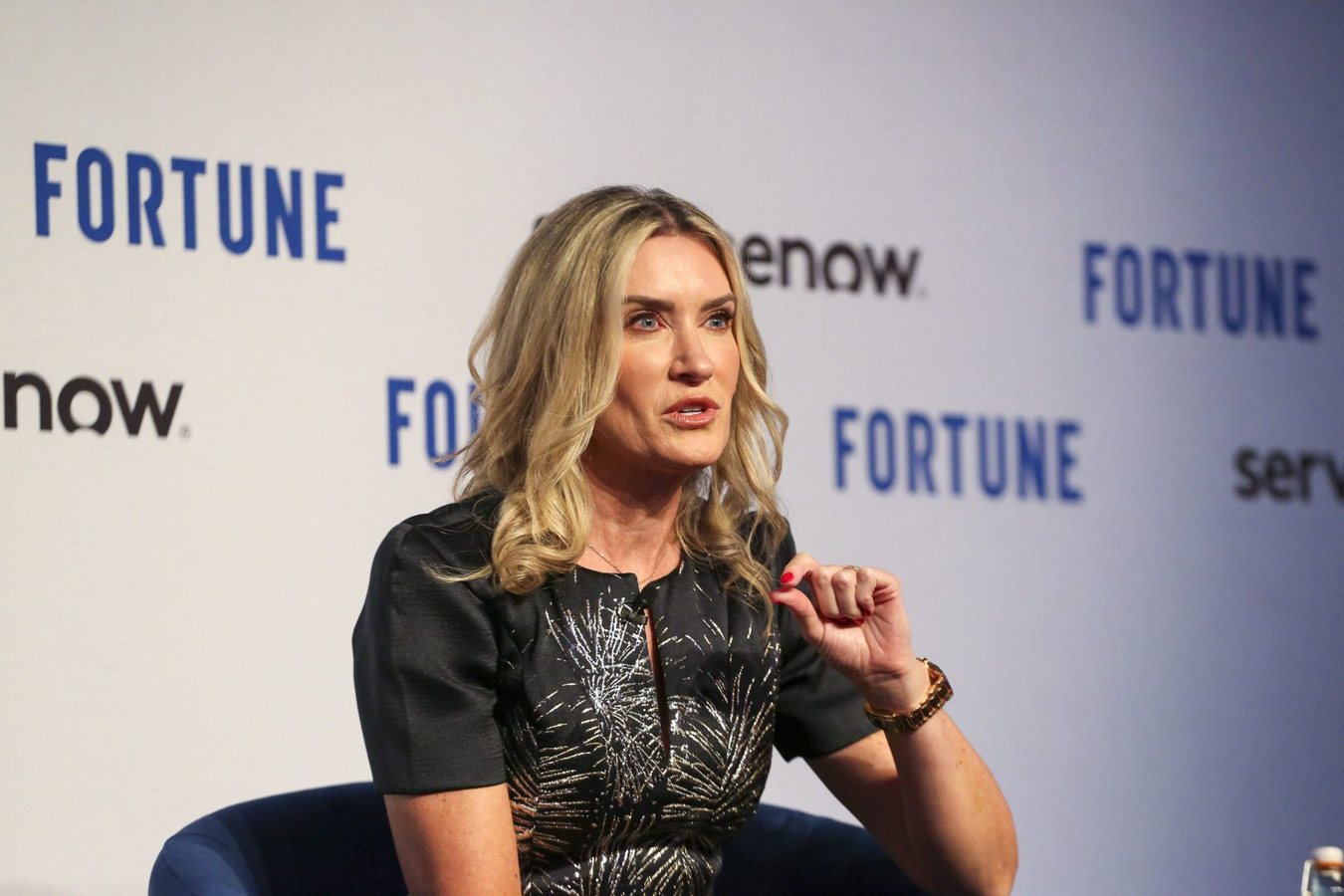
Artificial intelligence has moved from the experimental fringe to the center of how major American corporations operate, and the executives responsible for managing their workforces say the old organizational chart is no longer a useful map. Speaking at Fortune's inaugural AIQ Summit, chief people officers from three Fortune 500 companies described a workplace being reshaped not by the technology itself but by the harder task of redesigning how work gets done.
Stacy Dillow, executive vice president and chief people officer at Hewlett Packard Enterprise, told Fortune Editor-in-Chief Alyson Shontell that the central challenge is not experimenting with AI tools but rethinking the structures companies have built around their employees. «We've got to force ourselves to think differently because if we're not trying to change how we work, we're just trying to retrofit and put AI in a process that isn't going to give us a different answer,» Dillow said. She added that AI adoption is now a core executive responsibility rather than a side project. «If you're in the C-suite today and you're not doing some level of AI adoption implementation or everyday thinking about transformation, you're not going to be doing your job,» she said, describing the technology as necessary «to survive.»
The gap between enthusiasm and execution remains wide. According to ServiceNow, just 9% of organizations have made meaningful progress building complex autonomous workflows, even as most have embraced AI as a worthwhile investment. That disconnect was a recurring theme at the summit, where panelists described a corporate landscape in which tools are widely available but the operating models around them lag behind.
Danielle Gonzalez, chief people officer at Palo Alto Networks, offered a concrete example of what a more advanced deployment looks like. The cybersecurity company, which ranks No. 49 on the Fortune AIQ 75 list, has rolled out tools including NotebookLM, Claude and Gemini for employees to experiment with. A custom AI agent has cut IT tickets by 83% and now manages workflows across human resources, finance and legal. «They're no longer calling Danielle or their HR business partner or someone in the business, but rather they're self-serving, and they're asking the agent a question,» Gonzalez said. «It's querying and it's giving them the right answer for where they sit in their respective globe.»
That shift has changed what companies look for in new hires. Gonzalez said Palo Alto Networks now prioritizes curiosity and agency over a candidate's ability to recount past accomplishments. The company uses «observable interviews» and hackathons to watch how applicants actually approach problems, both with and without AI. «Gone are the days where you're sitting there and you're interviewing someone and you're having them tell you all about their achievements,» she said. «We want to see what you can do.»
Perhaps the most striking requirement is the willingness to abandon old ways of working. Gonzalez said the company seeks people who can «not only learn something at a fast rate of pace, but also unlearn what they thought to be true, so that they can make space to move forward.»
For existing employees, the message from leadership is that training alone will not be enough. Drew Holler, chief human resources officer at the $19 billion homebuilder Lennar, put the responsibility squarely on workers. «We're going to give you all the tools, but it's your responsibility to upskill yourself as well,» Holler said. «We're going to give you trainings, but you, as an individual, have to upskill.»
The comments reflect a broader recalibration in corporate America as AI becomes embedded in daily operations. Companies are being asked to move beyond pilot programs and toward autonomous workflows that change who does what, and how quickly. That transition places new demands on human resources departments, which must simultaneously recruit for adaptability, retrain existing staff and dismantle processes that no longer serve the business.
For workers, the implications are twofold. The tools will be provided, but the burden of staying relevant is increasingly individual. And the skills that matter most may be less about mastering any single platform than about the disposition to question established methods and let go of assumptions that no longer hold. As Dillow framed it, the organizations that succeed will be those willing to change how they work rather than simply layering new technology over old habits.
5