4 minBusiness
FAA Rest-Break Proposal Divides Airlines and Flight Attendant Unions
The FAA has proposed a rule that would block state and local meal and rest-break requirements for flight attendants, prompting opposition from major airline unions while aviation experts defend the plan as consistent with safety duties.
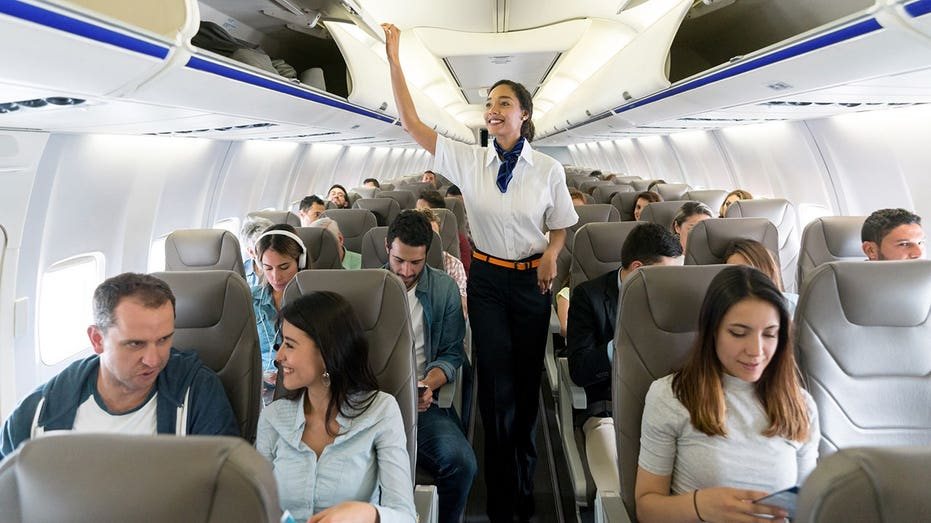
The Federal Aviation Administration is proposing a nationwide rule that would prevent state and local governments from setting their own meal and rest-break requirements for flight attendants and pilots, a move that has ignited a fight between federal regulators and major airline unions.
The proposal, outlined in an FAA rule document, would replace a patchwork of state rules with federal aviation standards. It would directly affect existing state protections, including meal and rest requirements that have applied to some California-based flight attendants. Under California law, employees generally must receive a 30-minute meal break when working more than five hours, and they must be relieved of all duties during that period for the break to qualify as off-duty, according to the California Department of Industrial Relations.
The FAA argues that differing state requirements could interfere with airline operations and conflict with the safety responsibilities of flight attendants. Flight attendants handle emergency situations including fires, medical incidents, evacuations and unruly passengers, the agency noted. Requiring a flight attendant to be completely off duty during a break could create a safety risk, according to the proposal.
The Association of Flight Attendants-CWA opposes the rule, arguing that it could remove state protections without establishing a federal guarantee for meal and rest breaks. The union said some flight attendants already work for hours without adequate opportunities to eat, drink, use the restroom or take care of other basic needs.
«While we understand compliance with state laws is not without its challenges, we are far more concerned about the safety impacts of flight attendants working under onerous working conditions,» the unions wrote in joint comments to the FAA. The unions also called the proposed protections «extremely vague» and said they do not provide enough assurance that airline policies will address both safety and flight attendants' needs. «The proposed rule does little to ensure protections for flight attendants without specific contractual protections,» they wrote.
The FAA's proposal does not prevent flight attendants from eating, drinking or using the restroom. Instead, airlines would have to allow them to meet those needs while ensuring they remain available for safety responsibilities, according to the document. Under the current federal system, meal and break arrangements can be addressed through airline policies and collective bargaining agreements. Federal rules also require flight attendants to receive 10 consecutive hours of rest between duty periods.
Michael J. Boyd, president of aviation consulting firm Boyd Group International, said the FAA's approach makes sense given the safety role of flight attendants. Boyd, who is not connected to the rule developments, spoke based on his experience in the aviation industry. «They're on duty,» Boyd said. «You can't break like that in the middle of the sky.» He added that flight attendants «have to be on duty because they're a safety function, just like pilots are, just like firefighters are.»
Boyd said he does not believe flight attendants would see major changes to their day-to-day work if the proposal is finalized. «Nothing will change,» he said. «All they're saying is that state rules do not supersede FAA rules.» He also expressed concern that state break requirements could require airlines to add more flight attendants to provide coverage, raising costs.
The proposed rule has not been approved or taken effect. The FAA and the Association of Flight Attendants-CWA were contacted for comment.
2