5 minBusiness
EV Prices Close In on Gas Cars as Average Gap Narrows to 9.4%
The average new electric vehicle now costs just 9.4% more than a comparable gas car, a shift driven by falling battery costs and automaker pricing strategies rather than government incentives, according to industry data.
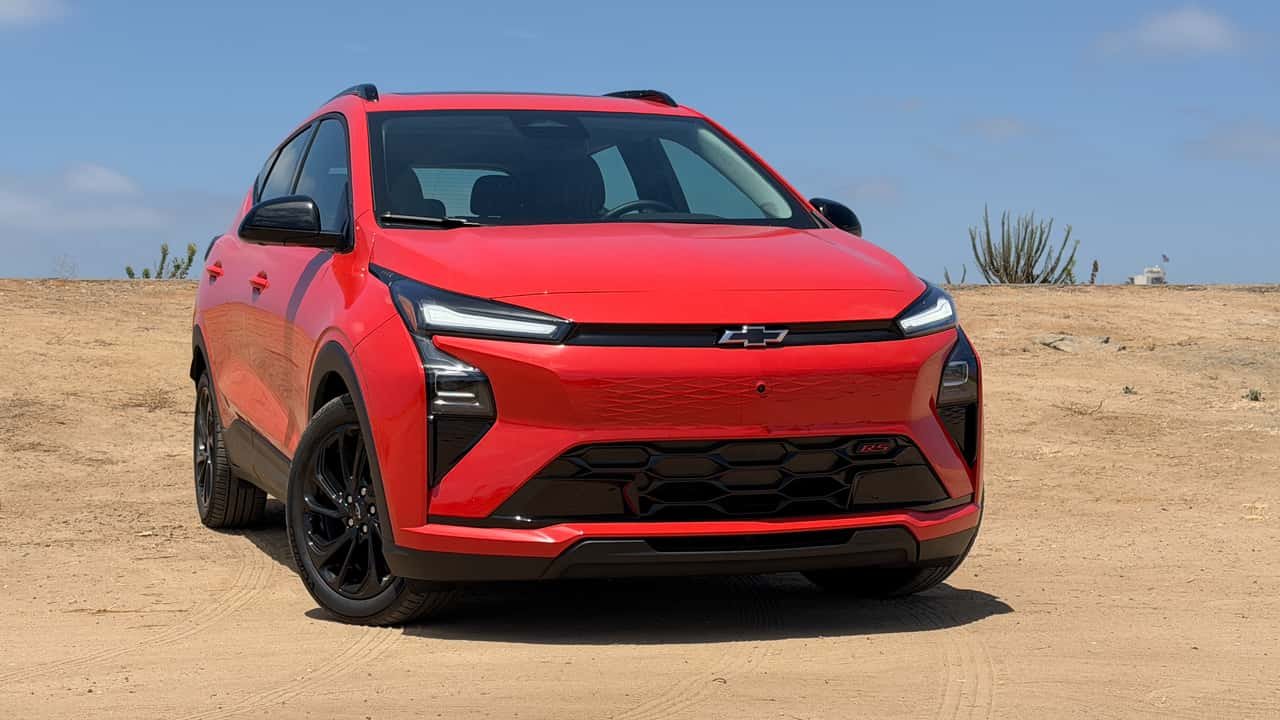
The average price of a new electric vehicle in the United States has fallen to within 9.4% of the average new gasoline-powered car, a narrowing gap that signals a fundamental shift in the auto market. The trend reflects declining battery costs, aggressive pricing from automakers, and a maturing EV supply chain that has made electric models increasingly competitive on sticker price alone.
Industry analysts say the shrinking premium marks a turning point for consumer adoption. For years, EVs carried a significant price penalty that required government subsidies to overcome. Now, with incentives playing a smaller role in the transaction, the market is moving toward natural price parity between the two powertrain types.
The shift has been driven by several factors. Battery pack prices, which represent the single largest cost component of an EV, have declined steadily as manufacturing scale has increased and new chemistries have reduced reliance on expensive raw materials. At the same time, legacy automakers and newer entrants alike have introduced lower-priced models to capture mainstream buyers rather than early adopters.
Competition has intensified across segments. Several manufacturers now offer compact electric SUVs and sedans that compete directly with popular gas models on both features and price. This has forced established brands to reconsider their pricing strategies, in some cases cutting MSRPs or offering lower-priced trims to avoid losing showroom traffic to electric rivals.
The role of government incentives has diminished as the price gap has narrowed. While federal tax credits and state rebates still lower the effective cost of many EVs, the data suggests that the underlying sticker prices are converging independently of those programs. That distinction matters for the long-term trajectory of the market, because it indicates that EV affordability is becoming structural rather than policy-dependent.
For consumers, the implications are significant. A smaller price difference means the total cost of ownership calculation increasingly favors EVs, which typically have lower fuel and maintenance costs. That could accelerate adoption even among buyers who are not primarily motivated by environmental concerns.
Automakers are watching the trend closely. Companies that have invested heavily in EV production capacity need to sell those vehicles at scale to recoup their investments. Falling prices relative to gas cars help expand the addressable market, but they also pressure profit margins, particularly for manufacturers still scaling their electric lineups.
Dealers report that price is consistently among the top concerns for shoppers considering an EV. As the gap narrows, other factors such as charging infrastructure, range, and resale value become more decisive. Those areas remain works in progress, but the pricing trend removes one of the most persistent barriers to adoption.
The trajectory is not uniform across all segments. Luxury EVs and large electric trucks still carry substantial premiums over their gas counterparts, while compact and mid-size electric cars have moved closest to parity. Analysts expect the gap to continue shrinking as battery technology improves and production volumes rise, though the pace may vary by manufacturer and region.
For the broader economy, cheaper EVs could affect everything from oil demand to electricity consumption to the auto lending market. A more affordable electric fleet would reduce household spending on gasoline over time, shifting costs toward the power grid and home charging infrastructure. Those second-order effects are already drawing attention from policymakers and utilities.
What remains clear is the direction of travel. The price premium that once defined the EV market is eroding, and the data now shows a gap small enough that many buyers may no longer see electric models as a financial stretch. As one industry observer put it, the trend is clear.