5 minBusiness
DOJ expands beef price probe to eight major grocery retailers
The Department of Justice is investigating Walmart, Costco, Amazon, Kroger, Publix, Albertsons, Aldi and Ahold Delhaize USA over beef pricing, expanding an earlier antitrust probe into meatpackers as ground beef costs hit record highs.
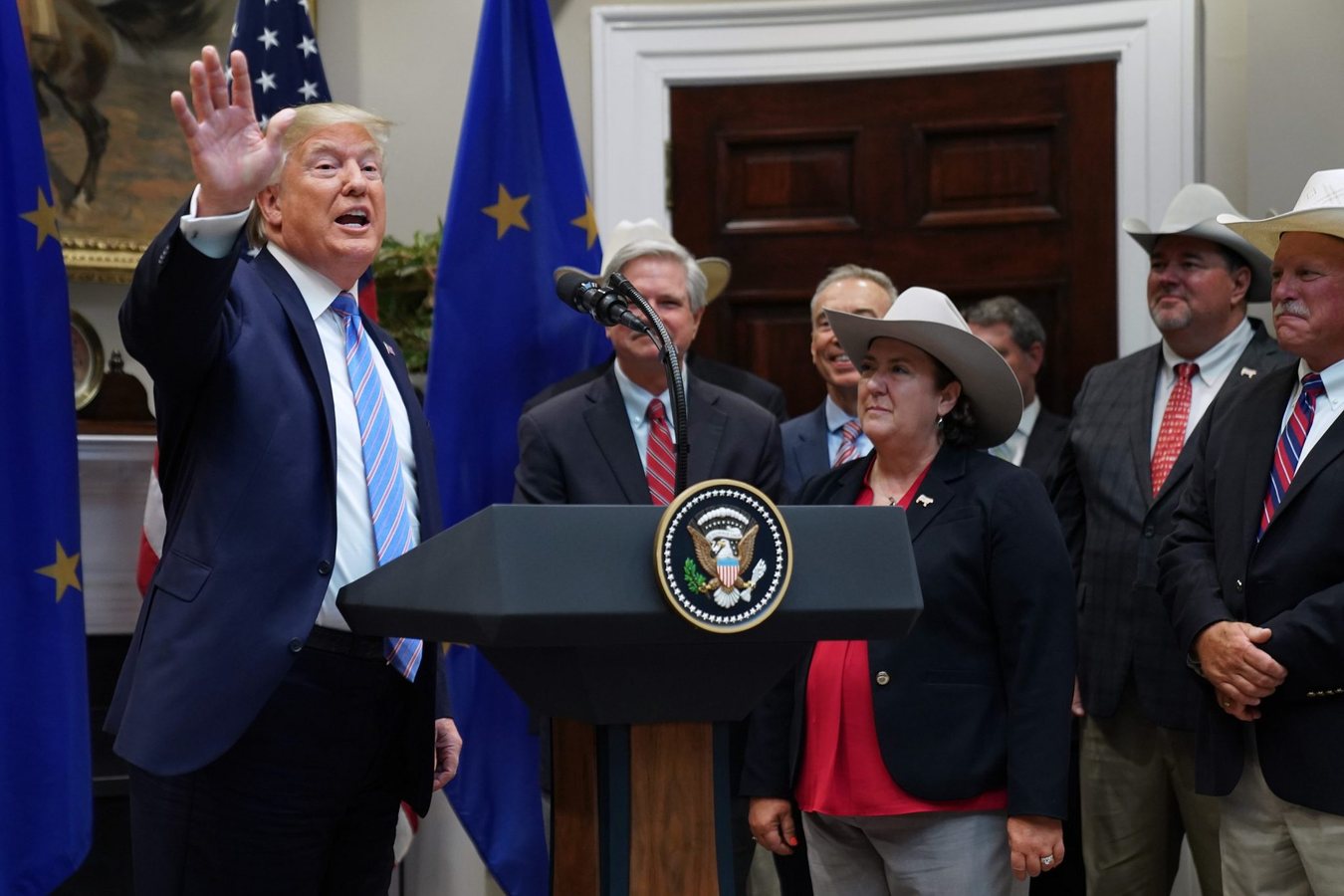
The Department of Justice has expanded its investigation into rising beef prices to include eight of the nation's largest grocery retailers, asking Walmart, Costco, Amazon, Kroger, Publix, Albertsons, Aldi and Ahold Delhaize USA for detailed information about how they price beef. The DOJ announced the probe in a Sept. 1 post on X, calling beef prices a "priority" for the agency.
The requests, sent in July by Associate Attorney General Stanley E. Woodward Jr., seek information on wholesale purchases and prices, plus costs and margins, according to Newsweek. The retailers and the DOJ did not respond to requests for comment.
The move builds on the department's antitrust investigation into meatpackers that launched in May, which began with scrutiny of Cargill, Tyson Foods and JBS, companies that control a majority of the meat processing market. President Trump asked the DOJ to investigate meatpackers over beef prices in November, accusing them of "driving up the price of Beef through Illicit Collusion, Price Fixing, and Price Manipulation."
The probe comes as the average price of a pound of ground beef hit $6.89 in July, up 10% from a year earlier and nearly double the $3.88 per pound recorded in January 2020, according to federal data. The cost of staples like ground beef shapes how consumers judge inflation, making it a key issue for voters ahead of the midterm elections.
Several factors beyond retailer pricing have contributed to higher beef costs. Drought conditions affecting 75% of livestock in the country have driven cow herds to a 75-year low. Farmers had 86.2 million cattle and calves at the start of this year, the lowest number since 1951, according to U.S. Department of Agriculture data. The costs of maintaining a herd, including feed, fertilizer and equipment, have risen due to tariffs and drought, so fewer farmers breed cows for slaughter, restricting supply.
The administration has taken other steps to ease prices. Trump scrapped 40% tariffs on Brazilian beef in November and announced a plan last month to allow 300,000 metric tons of it into the country without out-of-quota tariffs. The administration also started importing beef from Argentina, drawing backlash from American ranchers who said the move would introduce disease risks to domestic cattle. Additionally, some imports of Mexican livestock resumed Aug. 24 after being barred in July when Mexican cattle tested positive for screwworm, a flesh-eating parasite that has caused dozens of confirmed livestock infestations.
Meanwhile, meatpackers have struggled financially. Tyson announced it is closing two beef plants and selling a third on Aug. 13, a week after reporting a $138 million operating loss in its beef segment. JBS, headquartered in Brazil, halted beef processing at its Pennsylvania plant a day after Tyson's announcement, having reported a $279 million adjusted operating loss for its North American beef operations.
Trump announced last week that he is allowing ranchers to process meat themselves, though it remains unclear how he plans to alter meat processing regulations. Ranchers can currently process their own meat for personal use but cannot sell it unless it meets strict safety and sanitation standards and undergoes inspections.
The biological cycle of cattle reproduction adds another hurdle to rebuilding supply. Heifers are bred from between 12 to 15 months of age, and calves have a gestation period just under a year before staying up to 10 months with their mothers. Farmers then face the choice between keeping calves for more breeding stock or sending them to beef production.
Derrell Peel, a professor of agribusiness specializing in livestock at Oklahoma State University, said farmers understand this cycle and can handle it without market interference. "They're not asking for anything," Peel said. "Basically, they just want everybody to get out of the market and let it do what it does."
63