5 minBusiness
Data center tax breaks cost states billions as AI expansion accelerates
Nearly three-quarters of U.S. states offer tax incentives for data center development, forgoing billions in revenue as the AI boom drives rapid expansion. Critics question whether the economic benefits justify the losses.
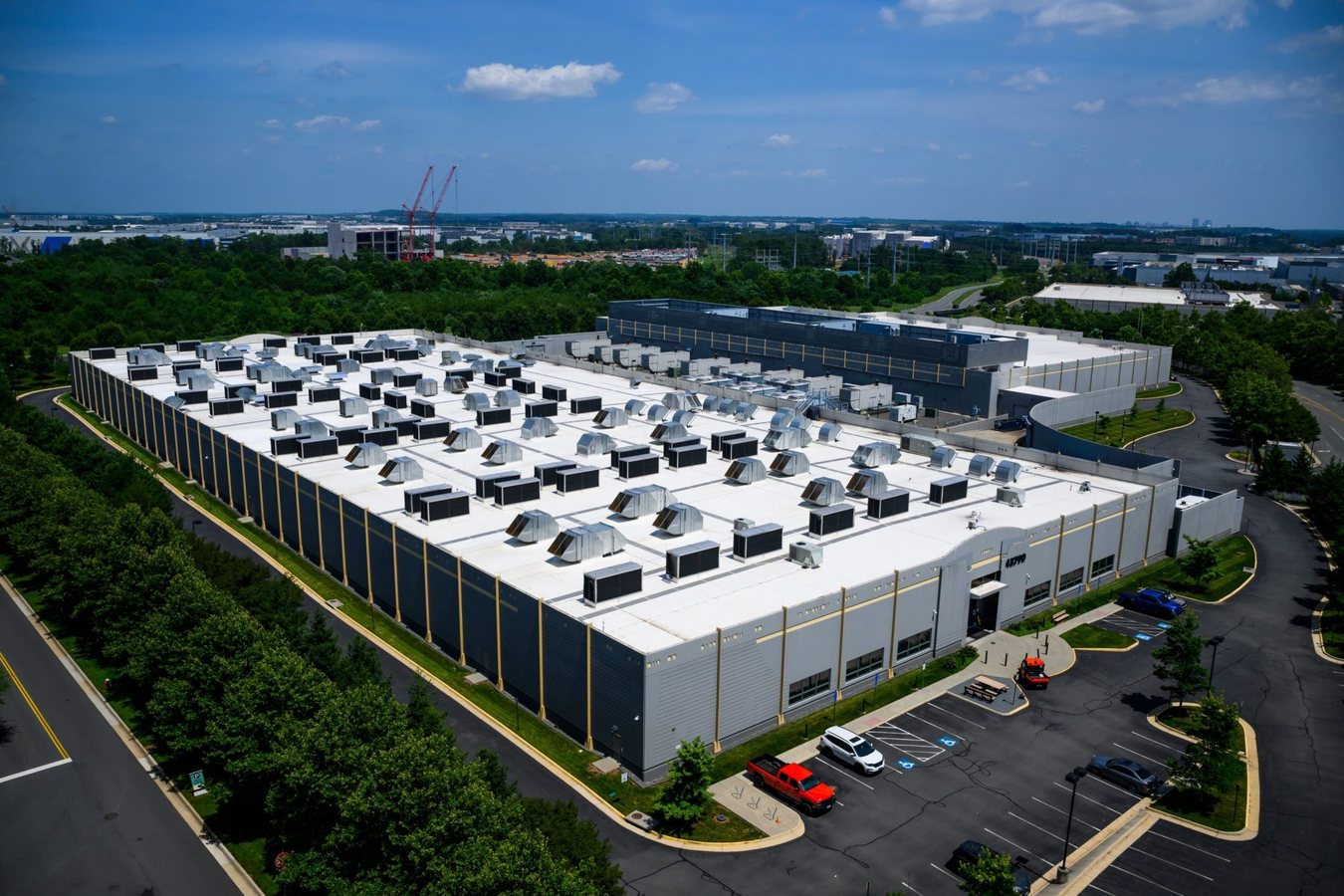
The rapid expansion of data centers across the United States, fueled by the artificial intelligence boom, is prompting states to forgo billions of dollars in tax revenue through incentive programs designed to attract the facilities. Nearly three-quarters of all states now employ tax incentives for data center development, including exemptions from sales and use tax, property tax, and financial transactions tax, according to industry reports.
The United States has grown to nearly 5,000 data centers across all 50 states, with hyperscalers driving much of the expansion. A report from JLL, a commercial real estate and investment management company, projects the global data center sector will expand at a 14% compound annual growth rate through 2030, noting that hyperscalers will remain a key driver of sector growth. That growth brings significant savings for the companies building these facilities, but it also creates a financial challenge for state governments.
An investigative report by Good Jobs First found that at least 14 states failed to disclose tax abatement revenue losses suffered from data centers. Illinois, while not among those 14, has historically published evidence showing soaring revenue losses. The number of data center projects awarded the sales and use tax exemption in Illinois increased from six in 2020 to 27 by 2024, according to the report, though the state's Department of Commerce and Economic Opportunity stopped providing an annual revenue-loss number in fiscal year 2023.
Qualified data centers in Illinois receive exemptions from state and local sales and use taxes on tangible personal property essential to operations, including servers, computers, data storage devices, electrical systems, network infrastructure, software, climate control systems, and building materials. The state also offers a 20% income tax credit on wages paid to construction workers involved in building the center. These exemptions are valid for up to 20 years within renewable five-year increments and are contingent on continued investment from the data center.
Eligibility requirements vary significantly by state. Texas requires a substantial capital investment of at least $200 million in the data center project. Maine requires a certain amount of square footage. New York has no minimum investment requirement, and its tax exemptions apply to a wide range of expenditures, covering property, services, equipment, and contracts. Virginia, which hosts nearly 35% of global hyperscale facilities, requires $150 million in capital investment and at least 50 new jobs at each data center paying over 150% of the local average wage. Minimum investment eligibility measures range from up to $450 million in Kentucky to as low as $2 million in parts of Maryland.
The incentives are tied to the inherent replacement cycle required for data center upgrades. Capital expenditures like electrical systems, batteries, and structures have usable lives in excess of 20 years, but other equipment such as cloud computing operations often have lives as short as three years due to the high strain of AI computing. The Tax Foundation found that a $5 billion data center could easily spend more than a billion dollars a year on machinery and equipment, making sales taxation a significant consideration when choosing a development location. States that do not employ sales tax, such as New Jersey, incentivize data center development through property tax abatements and tax credits instead.
Whether these investments and tax incentives are truly stimulating the economy remains uncertain. A Georgia Tech study from July suggests the capital investments may help spur the local economy in the short term, but long-term benefits are less measurable. The study found that employment rose about 3.5%, wages by 5%, and household income by 2% when a data center opens. However, researchers noted that the gains are much smaller than what might be expected from a large investment and are not evenly distributed. The study also found a trade-off: electricity prices rose about 5% after a data center began operation, mainly due to the large power consumption necessary to keep the facilities running.
56