6 minBusiness
Baby boomers push back on self-checkout, digital coupons and shifting grocery aisles
Older shoppers increasingly say modern grocery stores expect them to do more work with less personal service, citing self-checkout, digital-only coupons, understaffed stores and the loss of dedicated baggers.
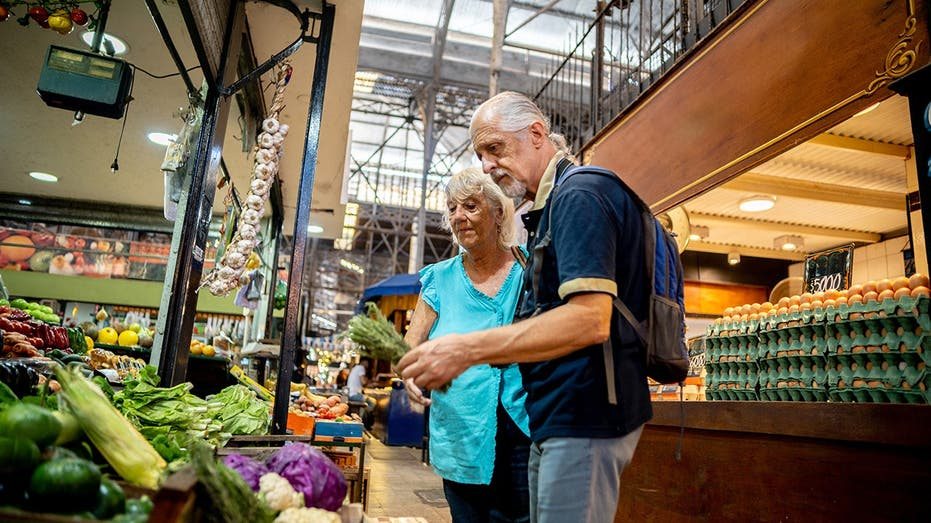
Baby boomers are increasingly losing patience with the modern grocery store, from self-checkout machines and digital-only coupons to rearranged aisles and the disappearance of staffed registers. The frustration has become a recurring theme in surveys and social-media discussions about how supermarket shopping has changed over the past 50 years.
Technology-driven shopping ranks among the biggest complaints. In a YouGov survey, 62% of respondents aged 65 and older said they prefer a cashier-assisted checkout when both options have equal lines, while 34% chose self-checkout. Among shoppers aged 45 to 64, the split was 50% for a cashier and 44% for self-checkout. Younger adults moved in the opposite direction: 52% of those aged 18 to 29 said they prefer self-checkout, compared with 26% who favor a cashier. The main objections among older shoppers include weighing produce at self-checkout stations, the lack of human interaction, and a sense that they are doing unpaid work for the store.
Cleanliness and organization are the qualities baby boomers value most in a grocery store, according to a 2024 survey by the Feedback Group. That survey also found boomers favor traditional supermarkets, with 32% naming supermarkets as their primary grocery destination and 28% choosing Walmart. Gen X shoppers likewise favored Walmart at 28%, followed by supermarkets at 25%. Gen Z showed a different pattern: 23% preferred Walmart, 20% Aldi, 17% dollar stores and 15% club stores, while only 11% said traditional supermarkets are their go-to option.
Product placement is another sore spot. Grocery chains carefully arrange items to encourage shoppers to spend more time in the store, but frequent relocations make it harder for older customers to find familiar products. Social-media responses highlighted in a roundup of shopper complaints singled out products that move from one aisle to another without notice as one of the most irritating changes.
Digital-only coupons have created a generational divide. Although the share of adults 65 and older who use technology increased over the past decade, according to a 2022 Pew Research Center poll, many baby boomers say app-based and online-only discounts put shoppers without smartphones at a disadvantage. Trader Joe's stands out because it does not offer discounts or sales at all, which removes the coupon issue entirely.
Shopping carts matter more to older customers than retailers may realize. For some older adults, carts serve as a mobility aid, providing stability and a place to rest during a long trip through the store. Baby boomers responding to a Facebook discussion said they value carts with wheels that swivel easily and are simple to push.
Brand loyalty is another generational difference. More than one in four baby boomers, or 26%, rarely or almost never consider switching from their favorite brand, according to a Numerator survey on consumer trends. By contrast, younger generations are more likely to shop at budget stores and buy off-brand products. The preference for name brands has drawn criticism on social media from users who say older shoppers sometimes pay more for a comparable generic product.
Empty shelves remain a particular source of frustration. Many Americans learned to accept out-of-stock items after the COVID-19 pandemic disrupted supply chains, but baby boomers appear less willing to tolerate the problem. Since many retirees live on fixed incomes and depend on sale-priced items to stretch their grocery budgets, an unavailable product can have a greater financial impact on older adults.
Understaffing also feeds the dissatisfaction. Food retailers have struggled with recruitment and retention in recent years, and boomers associate fewer employees with longer checkout lines, slower service and fewer chances for personal contact. The decline of dedicated grocery baggers has made matters worse, with many older shoppers describing the expectation to bag their own groceries as yet another form of unpaid labor.
The shift toward prepared meals is one area where the generations look different. Millennials are the generation most likely to spend money on prepared grocery meals, according to a U.S. Department of Agriculture survey. Those meals generally cost more than cooking from raw ingredients because shoppers pay for convenience. Research summarized by the Institute of Food Technologists from FMI's U.S. Grocery Shopper Trends report found that 29% of shoppers aged 65 and older said they buy prepared foods to save time, compared with 45% of shoppers aged 15 to 24.
None of this means boomers oppose every innovation in grocery retail. The surveys show they are more comfortable with technology than they were a decade ago, and many do use self-checkout. But the combination of automated checkout, digital discounts, rearranged aisles, staff shortages and the loss of personal service has left a significant number of older shoppers feeling that modern grocery shopping expects more from them and offers less human assistance in return.