6 minBusiness
AI Startups Push to Reshape Hollywood Filmmaking as Studios and Union Set New Rules
AI video startups are pitching studios and investors on tools that could transform film production, while a new SAG-AFTRA contract sets guardrails and audiences still favor practical effects.
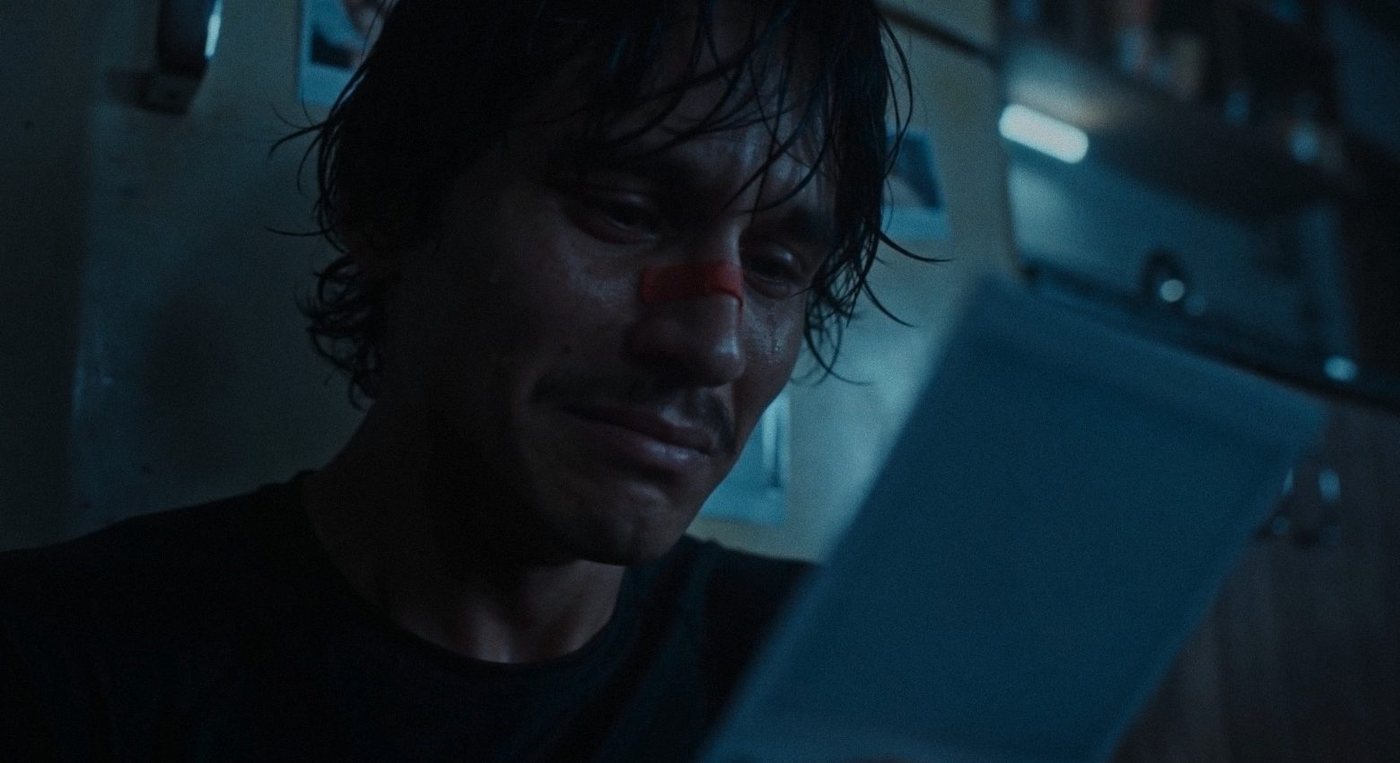
Artificial intelligence is moving from the margins of film production to the center of the pitch deck, as a wave of well-funded startups offers studios, creatives and investors tools that promise to reshape how movies and television shows are made. The shift is already visible on screen: the action film Hell Grind, created entirely with AI-generated actors and visuals, debuted at Cannes this spring after a team of 15 at startup Higgsfield AI produced the 95-minute movie in under three weeks for about $500,000. Four of every five dollars went to computing power, with the rest covering personnel.
The startup’s co-founder and chief strategy officer, Mahi De Silva, argues that even fully synthetic films will not eliminate the need for directors, screenwriters, set and costume designers, or actors. «What we have found is that filmmaking is still an art,» he said. Still, the aggressive pitch from AI companies is that the technology will disrupt almost every stage of creative work in filmmaking, from development through post-production, with job losses likely for production crews and visual-effects workers.
Consulting firm McKinsey estimates that by 2030, AI could influence up to 20% of original content spending on films and television, opening opportunities for smaller studios, more personalized projects and short-form formats. Whether audiences will embrace that shift remains uncertain. In 2026, some of the biggest box office successes, including The Odyssey and Obsession, relied on practical effects, and moviegoers proved less willing to pay for films dominated by computer-generated imagery.
The tension between AI’s cost-cutting potential and creative labor has also become a contract issue. A new four-year agreement ratified between major studios and SAG-AFTRA, the union representing 160,000 actors, broadcast journalists, news writers and editors, and other artists, includes strict guardrails on how AI can be used and when content and payment are required. The provision marks one of the most concrete attempts yet to define AI’s role in a sector where unions have warned that rapid adoption could erode jobs and consent rights.
Investors, meanwhile, are placing large bets on the startups leading the charge. Higgsfield AI, founded in 2023, raised $400 million in a Series B round in August at a reported valuation of $5.4 billion, just eight months after an $80 million round valued it at $1.3 billion. De Silva said the company’s technology centers on Cinema Studio, an AI-powered filmmaking platform that gives creatives access to 33 AI models, including OpenAI’s ImageGPT, Google’s Nano Banana and ByteDance’s Seedream. «We’re constantly evaluating new ones,» he said.
The company is also testing how much AI to use in its own productions. For this year’s Cully Hill Boys, Higgsfield AI legally licensed the likenesses of four real people, including UFC fighter Israel Adesanya, for AI-created characters. Runway, another AI video-generation startup, has evolved from its early Gen-1 model, which mainly restyled existing video, to Gen 4.5, which can generate videos from written prompts. «There really isn’t a part of the production lifecycle that can’t benefit from AI,» said Jamie Umpherson, Runway’s chief creative officer.
Runway raised $315 million in a Series E round this year at a $5.3 billion valuation and sold an equity stake to Lionsgate, the studio behind the Hunger Games and John Wick franchises, to create content with AI. Its recent work includes collaborating with animator Jeremy Higgins on the animated series Mars and Siv and producing a short film, Rules of Horse…for Dummies, in under two weeks. The project included an interactive component, with character sheets, prompts and production materials released publicly on X so users could make their own versions. «Everyone thinks that AI is reducing things to sameness and a lack of originality, but we actually see it as the opposite,» Umpherson said. «These are tools that can amplify unique points of view.»
Other startups are focusing on narrower parts of the process. Chronicle, led by co-founder and CEO Aaron Sisto, uses AI to help studios and individual creatives understand how audiences may respond to planned content and to craft more targeted marketing campaigns and trailers for specific audiences or international markets. Sisto cautioned that AI cannot predict how every viewer will respond. «We just don’t have the models or the data to do that,» he said. His co-founder, Scott Greenberg, said Chronicle deploys AI agents that watch YouTube channels to understand what content resonates with a creator’s fanbase, insights that can help optimize a channel. Greenberg, who also co-founded the animation studio Bento Box Entertainment, behind Bob’s Burgers, warned against overreach. «You never want to tell a creator what to make,» he said. «There’s nothing worse than an overly opinionated creative executive.»
3